You want to practice aesthetics. Not launch a business.
Career support for RNs, NPs, and PAs joining aesthetic practices as clinicians. Contract review, compliance protection, certification pathways, and introductions into a curated network of practices actively hiring. Built around your career, not a business plan.
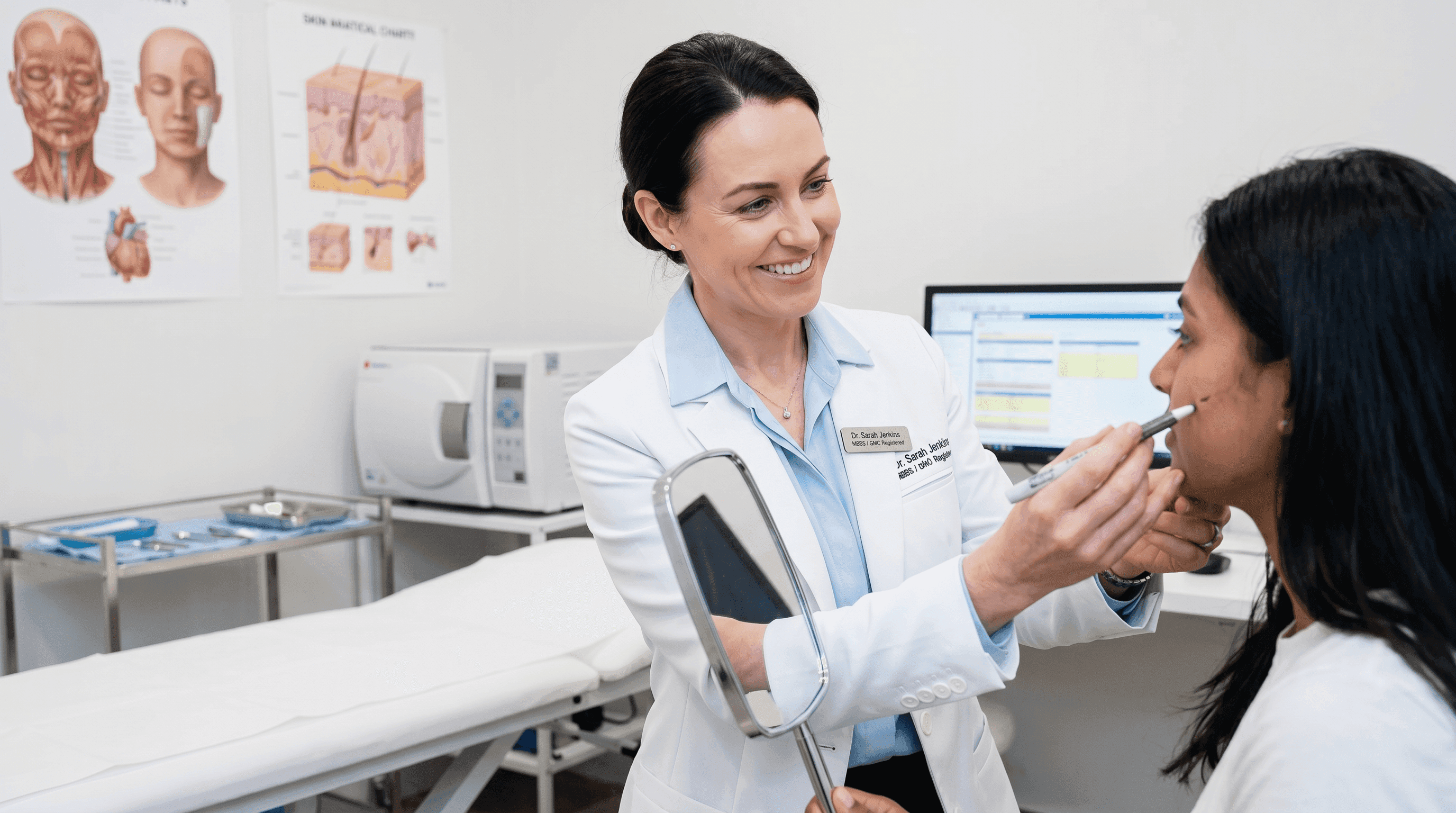
You're building on everything you already know.
Moving from traditional care into aesthetic medicine can feel like starting from zero. It isn't. The clinical skills you built at the bedside, in clinic, or in acute care are the foundation of a strong aesthetic practice. Patient assessment, safe injection technique, anatomy, communication under pressure, and clinical judgment all carry over. What's new is the practice environment around them.
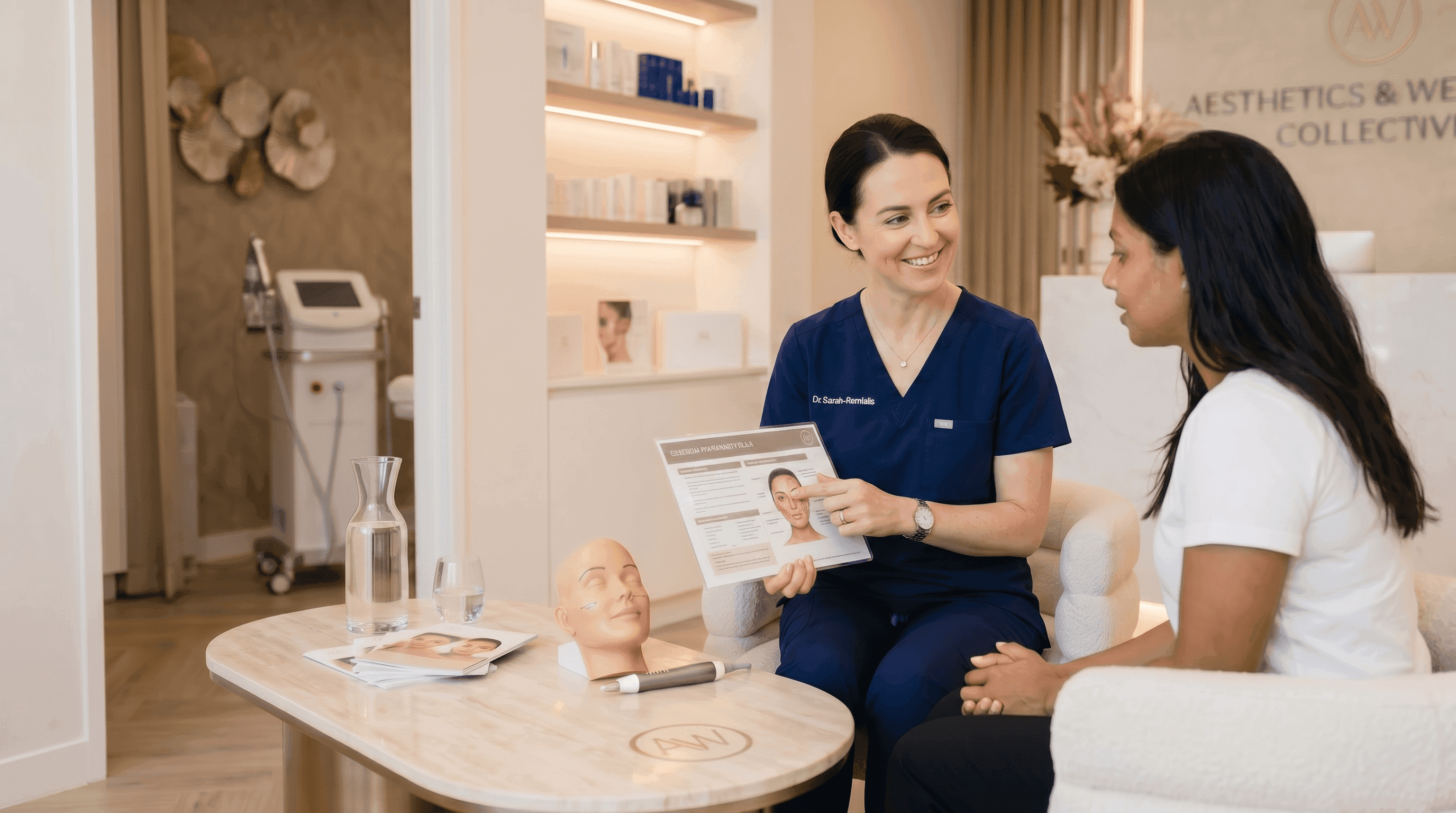
Clinical judgment that's already credentialed
Years of patient assessment, risk evaluation, and decision-making don't reset. They're the most important thing you bring.
Patient communication under real pressure
Working with patients in harder circumstances makes the aesthetic consult feel manageable, not intimidating.
Anatomy and injection fundamentals
The clinical foundation shortens the learning curve on aesthetic technique and makes specialized training stick faster.
A license that's already your biggest asset
Your credential opens every door in this industry. The work is making sure you protect it while you walk through them.
The real risks of making this move without structure.
This industry has more opportunity than almost any other corner of healthcare right now. It also has more poorly structured offers, ambiguous roles, and underprepared practices. The risks below are common and fixable, but only if they're surfaced before you sign.
Misclassified contractor agreements
Many practices offer 1099 arrangements that should legally be W-2 roles. The consequences fall on you: self-employment tax, no benefits, no unemployment protection, and sometimes license exposure if oversight isn't structured correctly.
Inadequate physician oversight
Some practices have medical director relationships on paper but not in practice. If the oversight structure doesn't match state requirements, the clinician carries the regulatory risk, not the practice owner.
Practices that don't support growth
Training without patients. High injector turnover. Compensation that caps what you can earn. No clear path to advancement. Clinicians who join these practices often end up starting over within a year.
Four phases. From decision to first day and beyond.
The structure below reflects how a clinician actually moves from a current role into an aesthetic practice with everything in place. Each phase protects the next, and we stay engaged through all of them.
Career call
A conversation about where you are, where you want to be, and what the realistic path looks like. No obligation. The first call usually clarifies the next two phases.
Orientation and readiness
We work through how compensation works, certification pathways, and the decisions that need to happen before you accept a role so the first offer isn't the first time you see the terms.
Placement and protection
Introductions into the provider network, contract review, oversight structure validation, and the practical work of getting an offer you can confidently sign.
First-year support
We stay with you through the first year. New-role check-ins, continued career guidance, and help navigating anything that comes up in the new environment.
Orientation. Protection. Connection.
The transition is not one decision. It's a sequence of decisions, each with real stakes. Our work is to make each of those decisions legible so you know exactly what you're choosing and what comes next.
Orientation
A clear picture of what practicing aesthetic medicine actually looks like day to day. How clinicians get paid, what the first year feels like, and how to read an offer before you're in the chair negotiating it.
Protection
Everything that keeps your license, your income, and your standing safe while you're making a move with a lot of moving parts. Built around your license, not around it.
Connection
Access to aesthetic practices that are the right fit for where you actually are. Not a staffing feed. Curated introductions to practices that invest in the clinicians they hire.
The decision is behind you. The path is ahead.
A 30-minute career call will clarify where you are, what comes next, and whether Calyxe is the right partner for the move. No pressure, no sales pitch. Just a real conversation about your career.